How to Choose the Right Windows for Your Home: A Practical Guide
Why Your Window Choice Matters More Than You Think
Windows do a lot more than let in natural light. They play a major role in your home’s energy efficiency, curb appeal, comfort, and even resale value. Whether you’re replacing old drafty windows, building a new home, or tackling a renovation project, choosing the right windows can feel overwhelming — especially with so many styles, materials, and features on the market today.
At Big C Lumber, we help homeowners and contractors find the right windows for every project. This guide breaks down the key factors you should consider before making your decision.
Step 1: Understand the Common Window Styles
Before thinking about materials or energy ratings, it helps to know which window style fits your space. Here are the most popular options:
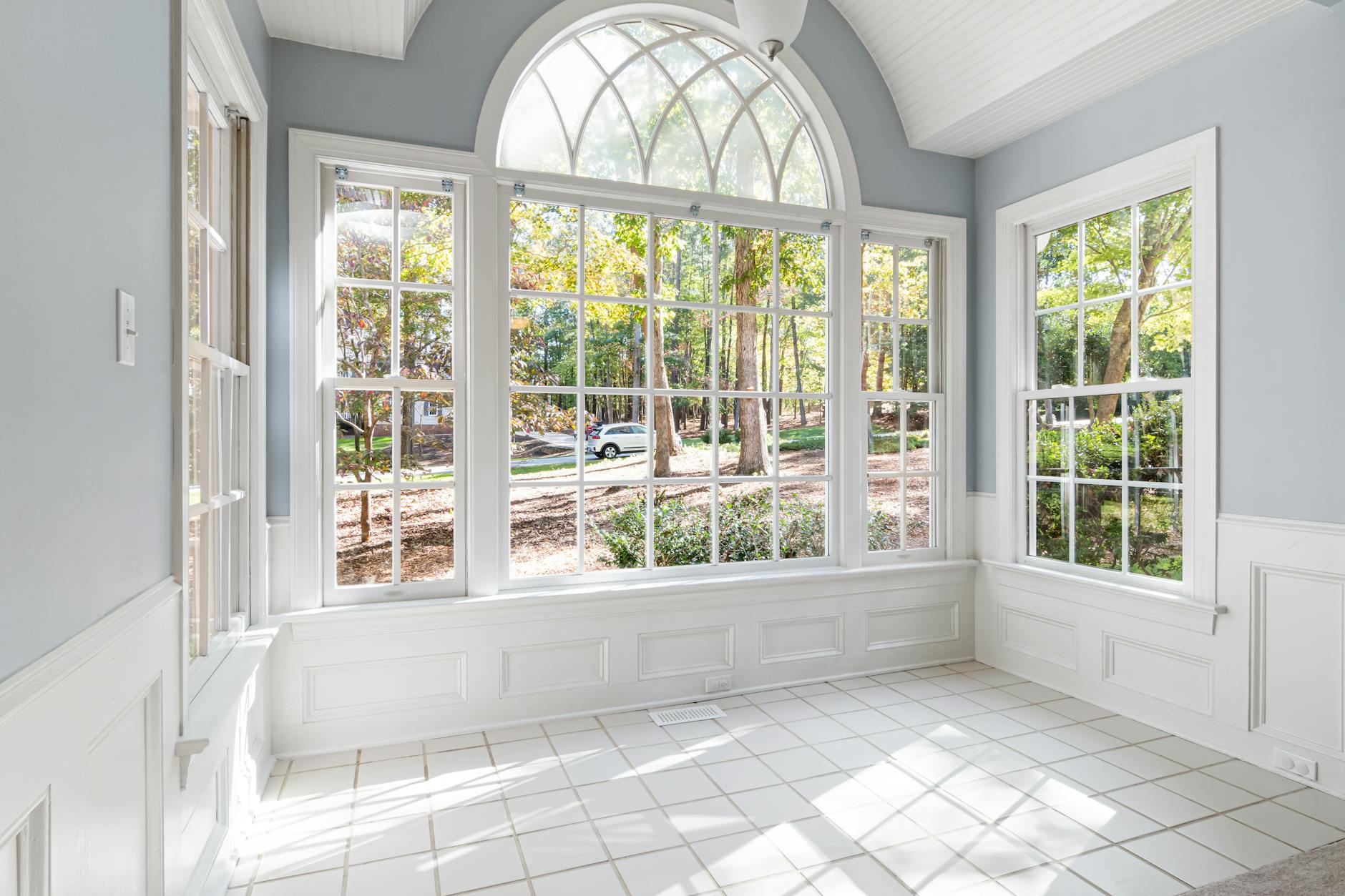
- Double-Hung Windows: The most common style in American homes. Both the upper and lower sashes open, making them easy to clean and ventilate.
- Casement Windows: Hinged on the side and cranked open, casement windows offer excellent ventilation and a tight seal when closed — great for energy efficiency.
- Awning Windows: Hinged at the top and angled outward, awning windows allow airflow even during light rain. They work well in bathrooms and basements.
- Sliding Windows: Simple and functional, sliding windows are a good choice for wide openings and contemporary home designs.
- Picture Windows: Fixed windows that don’t open. They’re ideal for framing views and maximizing natural light in living areas.
- Bay and Bow Windows: These project outward from the wall, adding architectural interest and extra interior space.
Step 2: Choose the Right Frame Material
The frame material you choose affects durability, maintenance, insulation, and cost. Here’s a quick breakdown:
- Vinyl: Affordable, low-maintenance, and a solid insulator. Vinyl is one of the most popular choices for replacement windows.
- Wood: Beautiful and classic, wood frames offer excellent insulation but require more upkeep — painting or staining every few years to prevent rot.
- Fiberglass: Strong, durable, and energy-efficient. Fiberglass can be painted and holds its shape better than vinyl over time.
- Aluminum: Lightweight and strong, but not as energy-efficient as other options. Better suited to commercial projects or mild climates.
- Composite: Made from a blend of wood fiber and PVC, composite frames offer the look of wood with greater durability and less maintenance.
Step 3: Prioritize Energy Efficiency
Energy-efficient windows can significantly reduce your heating and cooling costs year-round — a big deal here in Indiana where summers can be humid and winters downright brutal. Look for these key features:
- Double or Triple Pane Glass: Multiple panes of glass with gas fills (typically argon or krypton) between them drastically reduce heat transfer.
- Low-E Coatings: A microscopically thin coating on the glass that reflects infrared heat while still allowing natural light to pass through.
- ENERGY STAR Certification: Windows that meet ENERGY STAR standards are independently tested and verified for energy performance in specific climate zones.
- U-Factor and Solar Heat Gain Coefficient (SHGC): Lower U-factors mean better insulation. Your ideal SHGC depends on your climate — in colder regions, a higher SHGC can help capture passive solar heat in winter.
Step 4: Don’t Forget the Doors
Windows and exterior doors work together as part of your home’s thermal envelope. If you’re updating your windows, it’s a great time to evaluate your entry and patio doors too. A poorly insulated or ill-fitting door can undo much of the efficiency you gain from new windows. Our Windows & Doors project page has resources to help you plan both parts of your upgrade together.
Step 5: Think About Installation
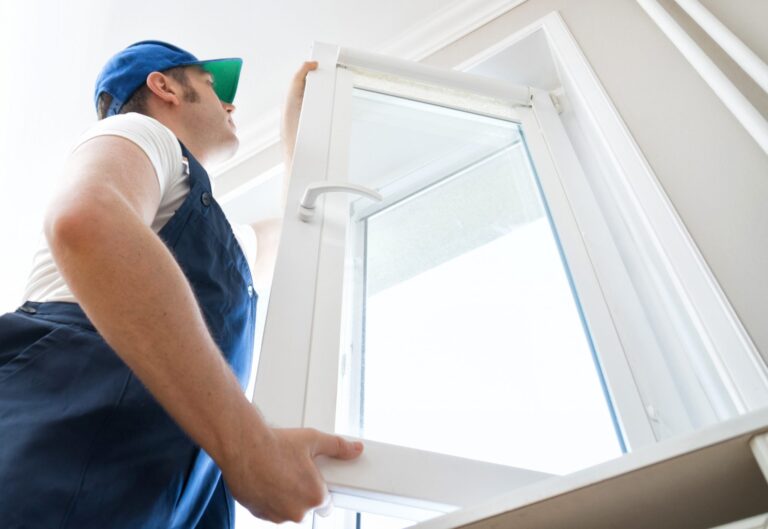
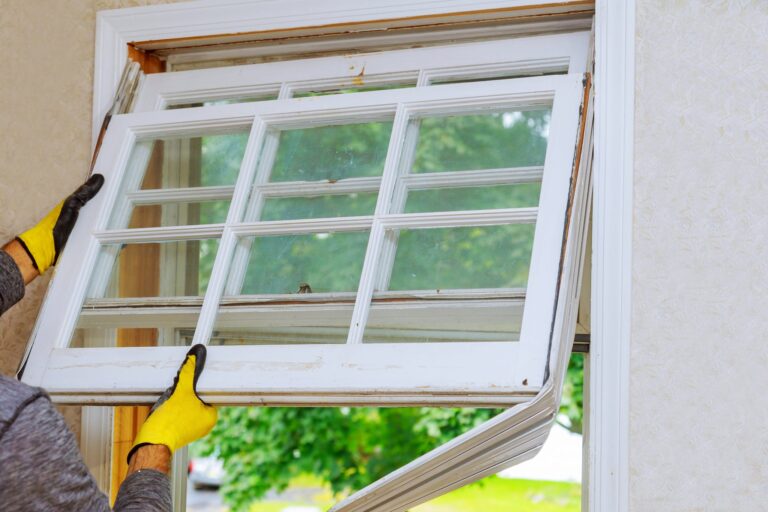
Even the best window performs poorly if it’s installed incorrectly. Improper installation can lead to air leaks, water infiltration, and premature failure of the window seal. If you’re a DIYer, replacing a window in an existing rough opening is a manageable project — but adding a new window opening or working with structural walls is best left to experienced contractors.
Whether you’re doing it yourself or working with a pro, having the right materials on hand makes the job go smoother. Check out everything available through our windows and doors materials section to find what you need.
Questions to Ask Before You Buy
- What is the window’s U-factor and is it ENERGY STAR certified for my climate zone?
- Does the frame material match the maintenance level I’m comfortable with?
- Will the window style work with my home’s architecture and ventilation needs?
- Is the warranty comprehensive — and does it cover both the glass unit and the frame?
- Who will be installing the windows, and are they experienced with this product?
Ready to Get Started?
Choosing the right windows is one of the smartest investments you can make in your home’s comfort and efficiency. At Big C Lumber, our team is ready to help you find the right products for your budget and project goals. We carry a wide selection of windows and doors from trusted manufacturers, and our staff can answer your questions whether you’re a first-time homeowner or a seasoned contractor.
Stop in at any of our convenient locations across Indiana and Michigan — including Big C LaPorte, Big C Fort Wayne, and many more — or visit our full locations page to find the store nearest you. Our knowledgeable team is here to help you make the best choice for your home.